
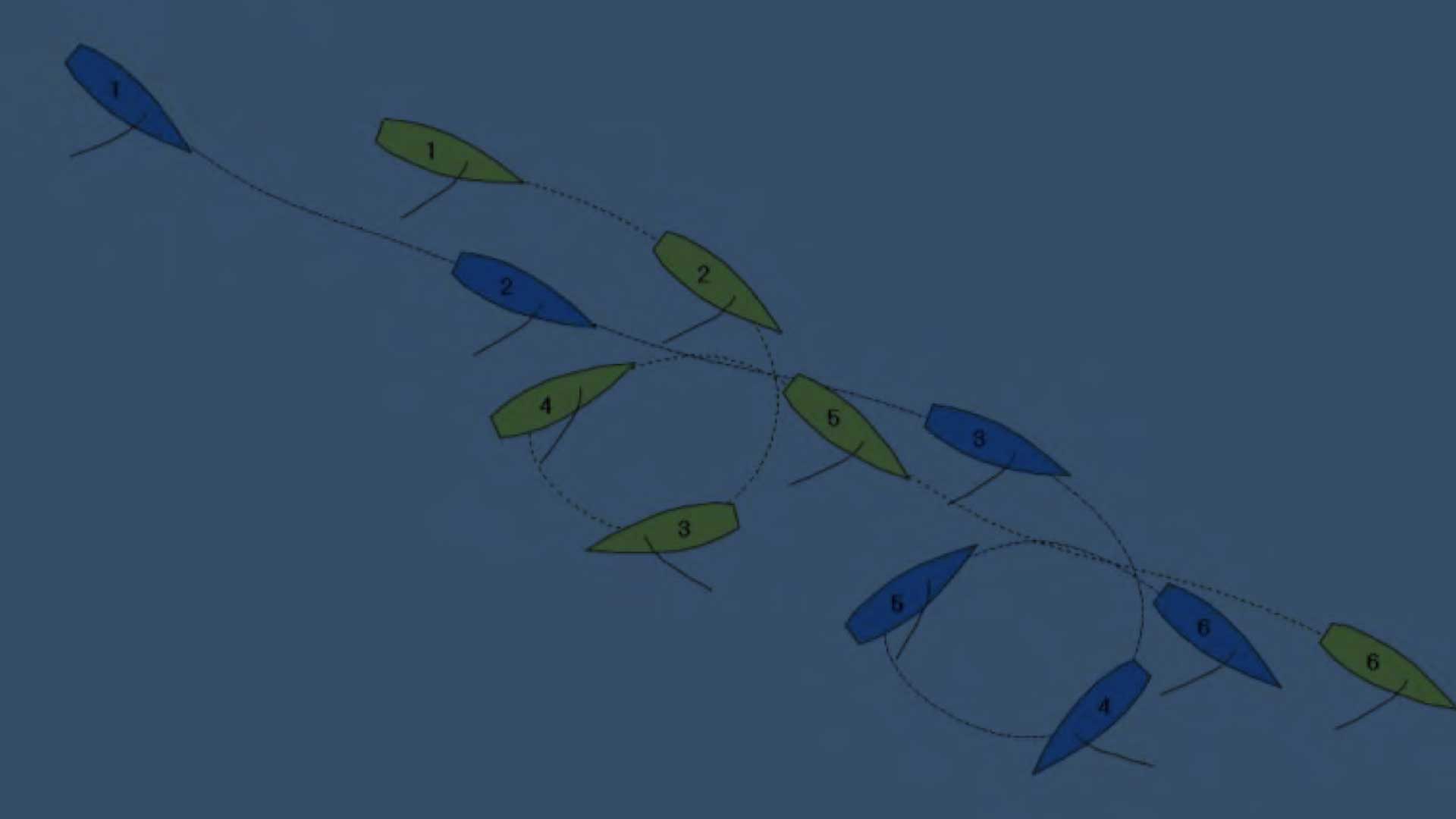
In the thrilling world of match racing, success hinges on the nuanced art of positional play. At the Garda Match Racing Academy (GMRA), we unravel the secrets of this pivotal strategy to empower sailors to dominate the racecourse and outsmart their opponents.
Unlocking the Power of Positional Play
Positional play involves strategic boat placement to capitalize on wind shifts, course geometry, and competitor vulnerabilities. At GMRA, we delve deep into the intricacies of this technique, ensuring our sailors grasp the following key concepts:
1. Windward-Leeward Dominance
Learn to leverage windward advantages to control the race. Our expert coaches guide sailors in mastering the art of windward sailing, creating opportunities for strategic gains.
Mastering Windward-Leeward Dominance in match racing is crucial for gaining a competitive edge on the racecourse. Here’s a step-by-step guide to learning and implementing this strategy:
- Understand Wind Direction: Develop a strong understanding of wind patterns on the racecourse. Recognize how wind direction affects boat performance and maneuverability.
- Study the Course Layout: Familiarize yourself with the racecourse layout. Identify key windward and leeward marks, paying attention to the optimal sailing angles for each leg.
- Leverage Windward Advantage: During upwind legs, position your boat windward (upwind) of opponents to gain a wind advantage. Use this position to control the race’s pace and force competitors into less favorable wind conditions.
- Tack Strategically: Practice strategic tacking to maintain windward dominance. Time your tacks effectively, considering wind shifts and minimizing the impact on boat speed.
- Use Wind Shadows: Understand the concept of wind shadows and how they affect nearby boats. Position your boat to cast a wind shadow on opponents, slowing their progress and allowing you to extend your lead.
- Monitor Wind Shifts: Stay vigilant for wind shifts, and adjust your position accordingly. Anticipate changes in wind direction to maintain windward dominance throughout the race.
- Practice Boat Handling: Enhance your boat handling skills, especially in upwind conditions. Smooth maneuvers and efficient use of sail controls contribute to maintaining windward dominance.
- Strategic Mark Roundings: Plan your approach to windward and leeward marks strategically. Optimize your rounding maneuvers to maintain control and capitalize on wind shifts.
- Learn from Experienced Coaches: Enroll in a match racing program like the Garda Match Racing Academy (GMRA) to receive guidance from experienced coaches. They can provide personalized feedback and advanced strategies for Windward-Leeward Dominance.
- On-Water Practice: Apply theoretical knowledge in practical on-water sessions. Regular practice is essential for honing Windward-Leeward Dominance skills and building confidence in different wind conditions.
Remember, mastering Windward-Leeward Dominance is a continuous learning process. Consistent practice, strategic awareness, and learning from experienced sailors and coaches will contribute to your success in match racing.
2. Tactical Course Geometry
Understanding the racecourse’s geometry is crucial. GMRA’s comprehensive training emphasizes using laylines and boundaries strategically, forcing opponents into less favorable positions.
Mastering Tactical Course Geometry is essential for success in match racing, providing a strategic advantage over opponents. Here’s a comprehensive guide on how to learn and apply Tactical Course Geometry:
- Understand the Racecourse: Familiarize yourself with the racecourse layout, including the starting line, windward and leeward marks, and any obstacles. Recognize how the course geometry can influence strategic decisions.
- Study Wind Patterns: Analyze prevailing wind patterns on the racecourse. Identify areas with consistent wind, shifts, and gusts, as these factors play a crucial role in tactical decision-making.
- Learn the Rules: Gain a solid understanding of match racing rules, especially those related to mark rounding, overlap, and right of way. Knowing the rules allows you to make informed tactical decisions without risking penalties.
- Strategic Positioning: Position your boat strategically on the course to control the movements of opponents. Aim to gain a favorable position relative to wind shifts, mark roundings, and upcoming legs.
- Plan for Mark Roundings: Develop a plan for each mark rounding based on the course geometry. Anticipate the best approach, consider wind direction, and be prepared for tactical maneuvers to gain an advantage.
- Utilize Laylines: Master the concept of laylines, which indicate the point at which you can tack or jibe to reach a mark without additional maneuvers. Use laylines strategically to approach marks with optimal boat speed.
- Practice Controlled Maneuvers: Hone your boat handling skills for precise and controlled maneuvers. Practice tacks, jibes, and mark roundings to execute tactical decisions efficiently during races.
- Monitor Competitor Positions: Keep a close eye on the positions of other boats. Assess their tactics, identify potential threats, and exploit opportunities to gain a tactical advantage.
- Adapt to Changing Conditions: Stay adaptable during the race as conditions may change. Adjust your tactical plan based on wind shifts, competitors’ manoeuvres, and any unexpected course variations.
- Coaching and Feedback: Enroll in a match racing program with experienced coaches, like the Garda Match Racing Academy (GMRA). Receive personalized coaching, tactical insights, and feedback to enhance your understanding of Tactical Course Geometry.
- Simulated Scenarios: Engage in simulated scenarios during practice sessions. Mimic different race scenarios to refine your tactical decision-making skills in a controlled environment.
Continuous learning, practical experience, and exposure to varied race conditions are key elements in mastering Tactical Course Geometry. By combining theoretical knowledge with on-water practice, you can develop a strategic mindset and excel in match racing.
3. Manipulating Wind Shifts
Recognizing wind shifts is an art. GMRA provides hands-on experience in reading wind patterns, allowing sailors to anticipate shifts, adapt, and exploit opportunities for tactical advantage.
Manipulating wind shifts is a crucial skill in match racing, allowing sailors to gain a strategic advantage over opponents. Here’s a guide on how to learn and master the art of manipulating wind shifts:
- Understanding Wind Shifts: Develop a solid understanding of wind shifts and their impact on boat speed and pointing. Wind shifts occur due to changes in wind direction and can significantly influence racing tactics.
- Weather Analysis: Stay informed about weather forecasts and patterns. Recognize how local conditions, such as thermal effects and geographical features, can cause wind shifts. Analyzing weather data helps you anticipate and respond to potential shifts.
- On-Water Observation: Actively observe wind shifts during practice sessions and races. Pay attention to visual cues, such as changes in water texture, ripples, and flags, to identify shifts early on.
- Sail Trim Adjustment: Learn to adjust sail trim based on wind shifts. Make timely and precise adjustments to your sails to optimize boat speed and maintain the desired angle relative to the wind.
- Tacking Strategies: Develop effective tacking strategies to exploit wind shifts. Tacking at the right moment can position your boat advantageously and disrupt the progress of competitors.
- Maintain Upwind Velocity: Focus on maintaining upwind velocity even during wind shifts. This involves reacting swiftly to changes in wind direction to keep your boat moving efficiently through the water.
- Strategic Positioning: Position your boat strategically on the racecourse to anticipate and capitalize on wind shifts. Anticipate where the next favourable shift might occur and position yourself to take advantage of it.
- Use Windward-Leeward Tactics: Combine knowledge of windward-leeward tactics with wind shift manipulation. Utilize the racecourse geometry to your advantage, taking into account wind direction and upcoming course features.
- Tactical Decision-Making: Incorporate wind shift manipulation into your overall tactical decision-making process. Evaluate the broader race strategy while considering the impact of wind shifts on your position relative to competitors.
- Post-Race Analysis: Review race performances and analyze how wind shifts influenced outcomes. Identify areas for improvement and learn from both successful and challenging scenarios.
- Coaching and Mentorship: Seek guidance from experienced coaches or mentors, such as those available at the Garda Match Racing Academy (GMRA). Coaches can provide valuable insights, personalized feedback, and specific strategies for manipulating wind shifts.
- Simulated Drills: Conduct simulated drills during practice sessions to replicate different wind shift scenarios. This hands-on approach allows you to experiment with various tactics and refine your ability to manipulate wind shifts effectively.
By combining theoretical knowledge with practical experience and continuous refinement, you can become adept at manipulating wind shifts, gaining a competitive edge in match racing.
4. Racecourse Awareness
Gain a heightened awareness of the entire racecourse. GMRA’s structured programs ensure sailors develop an innate sense of the course, enabling them to make split-second decisions with confidence.
Developing racecourse awareness is essential for success in match racing. Here’s a guide on how to learn and enhance your racecourse awareness:
- Study the Race Area: Familiarize yourself with the race area, including geographical features, currents, and wind patterns. Understanding the unique characteristics of the venue gives you a strategic advantage.
- Pre-Race Briefing: Attend pre-race briefings to gather information about the course layout, marks, and any specific instructions from race officials. Take notes and ask questions to clarify any uncertainties.
- Visualize the Course: Visualize the entire racecourse mentally. Picture the location of marks, the starting line, and potential tactical manoeuvres. Visualization helps reinforce your understanding of the course before hitting the water.
- On-Water Practice: Spend dedicated time practising on the actual racecourse during non-competitive sessions. This allows you to become familiar with local wind patterns, currents, and any obstacles that may impact your strategy.
- Use Course Markers: During practice sessions, pay attention to course markers and their positions relative to wind direction. Understanding how the course geometry interacts with the prevailing wind is crucial for making informed tactical decisions.
- Windward-Leeward Tactics: Incorporate windward-leeward tactics into your racecourse awareness. Identify favourable sides of the course and strategic positions relative to your competitors. Leverage this knowledge to make effective tactical decisions during races.
- Understand Rule Zones: Be aware of rule zones and potential overlap situations with other boats. Understanding the Racing Rules of Sailing (RRS) and applying them correctly enhances your ability to navigate the course without penalties.
- Strategic Positioning: Position your boat strategically on the racecourse to take advantage of wind shifts, favourable currents, and tactical opportunities. Continuously assess your position relative to other boats to make informed tactical decisions.
- Adaptability: Develop adaptability to changing racecourse conditions. Conditions may evolve during a race, requiring quick adjustments to your strategy. Be prepared to modify your plan based on real-time observations.
- Communicate with Crew: Maintain open communication with your crew regarding the racecourse and tactical considerations. Effective teamwork relies on shared awareness of the course and coordinated efforts to optimize boat performance.
- Post-Race Analysis: Review race performances and assess how your racecourse awareness influenced your outcomes. Identify areas for improvement and incorporate lessons learned into future races.
- Coaching and Feedback: Seek coaching and feedback from experienced match racing coaches. Coaches can provide valuable insights into racecourse strategy, helping you refine your awareness and decision-making.
- Participate in Regattas: Actively participate in match racing regattas to gain practical experience on different courses. Each regatta presents a new set of challenges, contributing to the development of your racecourse awareness.
By combining theoretical knowledge with practical experience and continuous refinement, you can enhance your racecourse awareness, making you a more skilled and strategic match racer.
5. Proactive Decision-Making
Positional play demands proactive decision-making. GMRA cultivates a mindset where sailors anticipate the opponent’s moves, plan strategically and execute manoeuvres with precision.
Proactive decision-making is a crucial skill in match racing, allowing sailors to stay ahead of the competition. Here’s a guide on how to learn and develop proactive decision-making in match racing:
- Understand the Racing Environment: Familiarize yourself with the local sailing conditions, wind patterns, and racecourse characteristics. Knowing the environment enhances your ability to anticipate changes and make informed decisions.
- Pre-Race Planning: Conduct thorough pre-race planning by studying weather forecasts, tide charts, and any other relevant information. Anticipate potential challenges and formulate a strategic plan before hitting the water.
- Strategic Goal Setting: Set clear strategic goals for each race. Determine your preferred positions on the racecourse, key manoeuvres, and potential scenarios. Having predefined goals helps guide your decision-making process during the race.
- Risk Assessment: Assess the risks associated with different decisions. Evaluate the potential rewards and consequences of each option. A proactive decision-maker considers both short-term gains and long-term strategic advantages.
- Stay Ahead of Changes: Continuously monitor changes in wind direction, speed, and other environmental factors. Being aware of subtle shifts allows you to adjust your strategy proactively, maintaining a competitive edge over opponents.
- Tactical Maneuvers: Incorporate tactical manoeuvres into your proactive decision-making. Anticipate upcoming marks, plan your manoeuvres, and position your boat strategically to execute manoeuvres seamlessly.
- Adaptability: Develop adaptability to evolving race scenarios. Proactive decision-making involves quickly adapting to changing conditions, whether it’s a wind shift, a competitor’s move, or a course alteration.
- Critical Thinking: Cultivate critical thinking skills to analyze situations objectively. Evaluate the available options, consider the potential outcomes, and choose the course of action that aligns with your strategic goals.
- Effective Communication: Maintain open and effective communication with your crew. Ensure that everyone is on the same page regarding the race strategy, and encourage input from all team members. A collaborative approach enhances the quality of decision-making.
- Learn from Experience: Reflect on past races and decision-making processes. Identify instances where proactive decisions led to success or challenges. Learning from experience contributes to the refinement of your decision-making skills.
- Simulated Scenarios: Practice decision-making in simulated scenarios during training sessions. Simulate various race situations, and challenge yourself to make quick, strategic decisions. This type of training sharpens your instincts and response times.
- Coaching and Feedback: Seek feedback from experienced match racing coaches. Coaches can provide valuable insights into decision-making strategies and offer personalized guidance for improvement.
- Visualization Exercises: Incorporate visualization exercises into your training routine. Picture different race scenarios, and practice making proactive decisions in your mind. Visualization enhances your ability to respond effectively in real time.
By combining preparation, strategic planning, and adaptability, sailors can hone their proactive decision-making skills, ensuring a proactive and strategic approach to match racing.
Why Choose GMRA?
- Expert Coaching: Our seasoned coaches bring years of match racing experience, providing invaluable insights and real-world strategies.
- Practical On-Water Training: GMRA’s courses include extensive on-water sessions, allowing sailors to immediately apply theoretical knowledge in a practical setting.
- Cutting-Edge Facilities: Sailors benefit from state-of-the-art facilities at Lake Garda, a renowned sailing destination, enhancing their overall learning experience.
Conclusion: Elevate Your Game with GMRA
Positional play is not just a strategy; it’s a game-changer. At GMRA, we go beyond traditional training, immersing sailors in the dynamic world of positional play to elevate their match racing prowess. Join us at GMRA and transform your approach to match racing with the perfect blend of strategy, skill, and the thrill of Lake Garda. Sail to success – the GMRA way!